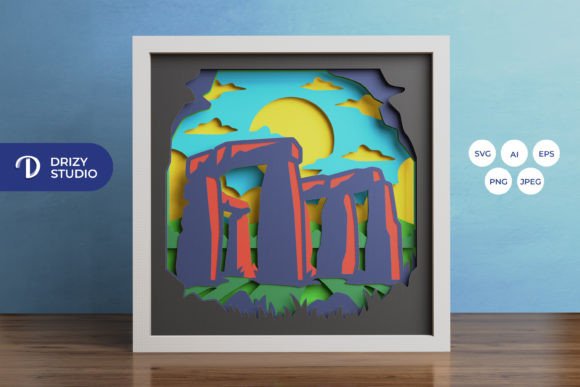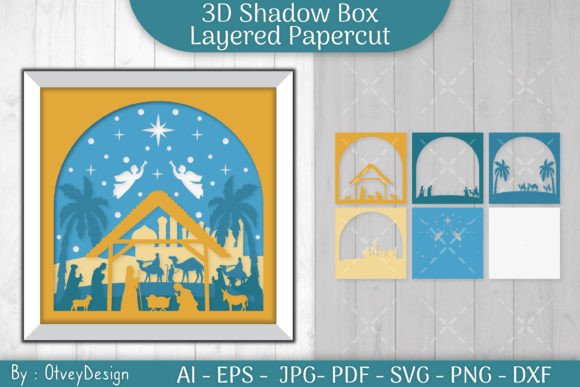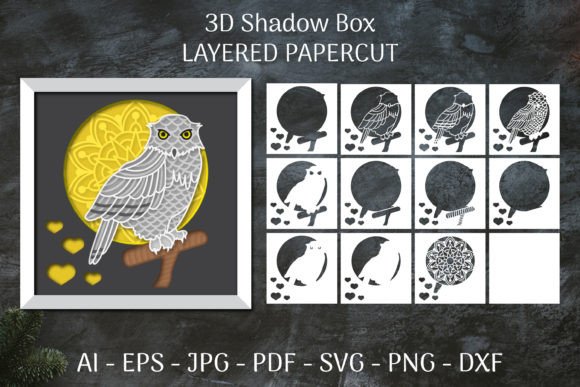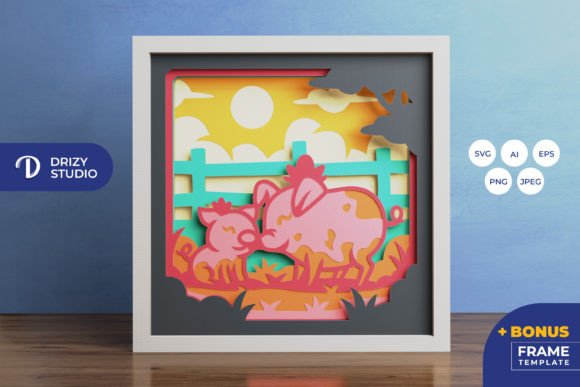
San Francisco 3D SVG for Shadow Boxes & Web Design
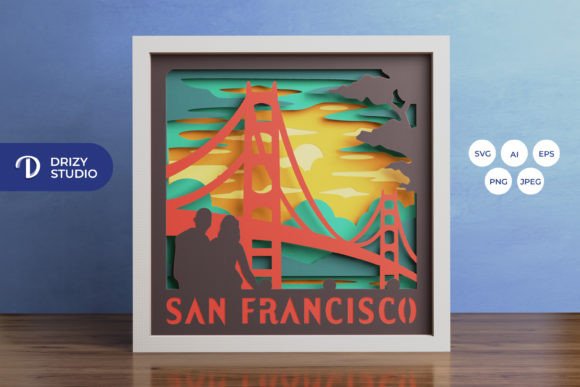
As a digital publisher who spends countless hours curating the visual identity of various content platforms, I am always on the hunt for graphic design assets that do more than just look pretty. They need to perform. When I first opened the files for the San Fransisco California 3D Shadow Box, my immediate reaction was one of appreciation for its depth and architectural charm. This isn't just a flat icon; it is a layered, square paper-cutting template that brings a tangible sense of place to the screen. For bloggers, newsletter creators, and affiliate marketers, this kind of asset is gold because it instantly establishes a mood before the reader even processes the headline.
Setting the Editorial Mood with Layered Depth
The first thing you notice about this San Fransisco California 3D Shadow Box is the sophisticated interplay of light and shadow inherent in the design. Even in a digital format, the 3D SVG structure suggests a tactile quality that feels incredibly modern yet nostalgic. It creates an editorial atmosphere that is both artistic and inviting. This specific aesthetic leans heavily into lifestyle, travel, and creative entrepreneurship niches. If you are running a blog about West Coast living, urban exploration, or even a digital guide on American road trips, this asset naturally supports your narrative.
Unlike generic stock photography that can feel sterile, this design asset offers a curated, boutique feel. It signals to your audience that you care about the details. In the world of content marketing, perception is reality. When a visitor sees a polished, multi-layered graphic like this in your website header or as a category thumbnail, it subconsciously boosts their trust in your brand. It says you are professional, detail-oriented, and culturally aware. The vibe is decidedly bold yet decorative, making it perfect for publishers who want to move away from minimalism and embrace something with more character.
Real-World Publishing Workflows and Applications
So, how does this translate into actual work? Let's talk about utility. I envision using the San Fransisco California 3D Shadow Box across a multitude of touchpoints in a standard publishing workflow. First and foremost, it serves as an exceptional foundation for Pinterest pins. The vertical potential of the layered design allows for compelling text overlays while maintaining visual interest. Imagine a pin titled "Top 10 Hidden Gems in the Bay Area" featuring this shadow box as the central hero image; the click-through potential here is significantly higher than with a standard photo.
Beyond social media, this asset shines in editorial design for blog posts. You can use it as a featured image for articles discussing California history, tech innovation in San Francisco, or travel guides. Because it is a vector-based digital download, it scales perfectly without losing quality, whether it's a massive banner on a desktop monitor or a crisp element in a Canva template for Instagram stories. For those creating lead magnets or digital guides, incorporating this graphic into the cover art or chapter dividers adds a level of production value that justifies a higher price point or increases email sign-up conversions.
Affiliate marketers will find particular value here. If you are promoting travel gear, camera equipment, or local tours, having a unique visual identity helps your content stand out in crowded feeds. You can integrate this San Fransisco California 3D Shadow Box into your media kit to show potential sponsors that your site has a cohesive and high-end brand identity. It transforms standard blog graphics into something that feels like part of a larger, well-thought-out campaign.
Enhancing Visual Hierarchy and Reader Trust
The core strength of using a specialized asset like this lies in visual hierarchy. In a sea of flat design, the dimensionality of a 3D SVG draws the eye immediately. It creates a focal point that guides the reader's attention exactly where you want it. This leads to better engagement metrics. When your social media graphics and article thumbnails share a consistent stylistic thread—like the distinct paper-cut look of these Shadow Boxes—you build stronger category recognition. Readers start to associate that specific depth and style with your content, fostering loyalty.
Furthermore, the professional finish of this template improves the overall perceived quality of your website. It moves your platform from looking like a hobbyist's experiment to a serious publication. This is crucial for small business branding and commercial design projects where credibility is currency. Whether you are an online educator selling a course on photography or a lifestyle influencer sharing city guides, the polish provided by this asset reinforces your authority.
Strategic Placement and Cautionary Notes
While the San Fransisco California 3D Shadow Box is versatile, strategic placement is key. It works best as a hero image, a dedicated section break in long-form content, or a standout element in a newsletter header. It is also fantastic for downloadable resources like worksheets or printable designs where the theme matches the location. However, caution is advised when using it in very small mobile thumbnails where the intricate layering might get lost. Additionally, avoid placing it against busy backgrounds or low-contrast colors, as the subtle shadows that give it life need space to breathe.
This asset might not be the best fit for ultra-corporate content or niches requiring a stark, purely functional minimalism. If your brand voice is strictly serious news or heavy industrial B2B, the artistic nature of a paper-cut template might feel too playful. Always test how it looks beside your primary typography. Try pairing it with serif fonts for a classic editorial look, or sans serif fonts for a modern twist. Handwritten and script fonts can also work well if you are aiming for a personal, diary-style aesthetic.
Technical Considerations for the Modern Publisher
Before deploying this graphic design asset live, there are practical steps every publisher should take. First, test the rendering on both desktop and mobile screens to ensure the layers align correctly across different viewports. Check the file size; while SVGs are generally lightweight, ensure they are optimized for web performance to avoid slowing down your page load times. If you are converting this to raster formats for specific platforms, compress the images properly without sacrificing the crispness of the edges.
Most importantly, review the licensing terms. Since this is intended for commercial design and potential monetization via affiliate marketing or paid products, you must confirm you have the appropriate commercial license. Ensure you are allowed to use it in items for sale, such as digital products or printed merchandise. By treating this San Fransisco California 3D Shadow Box not just as a picture, but as a strategic tool in your creative marketplace arsenal, you can elevate your entire content ecosystem.
In conclusion, integrating high-quality, themed assets like this into your workflow is a smart move for any serious content creator. It bridges the gap between artistic expression and functional web design, providing a unique visual language that resonates with audiences seeking authenticity and style.