FAMILY 3D SVG Templates for Shadow Boxes & Decor
As a brand designer who spends most of my week refining visual identities for local entrepreneurs, I am always on the hunt for graphic design assets that offer more than just decorative value. Recently, I evaluated FAMILY Multilayer Templates, Home Decor with a specific project in mind: a rebrand for "Hearth & Hand," a local boutique specializing in artisanal soy candles and handmade home goods. The client needed a visual language that felt warm, established, and deeply personal without slipping into cliché. My first impression of these templates was immediate; they possess a layered depth that suggests craftsmanship. The mood is undeniably cozy and inviting, leaning heavily into a rustic yet refined aesthetic that fits perfectly with the current trend of "slow living" branding.
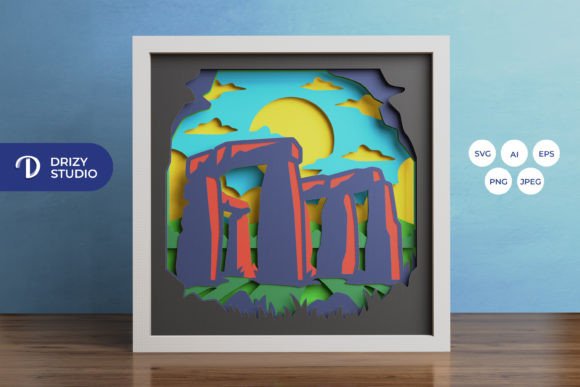
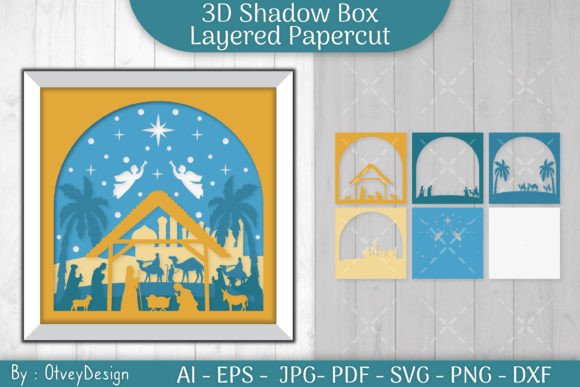
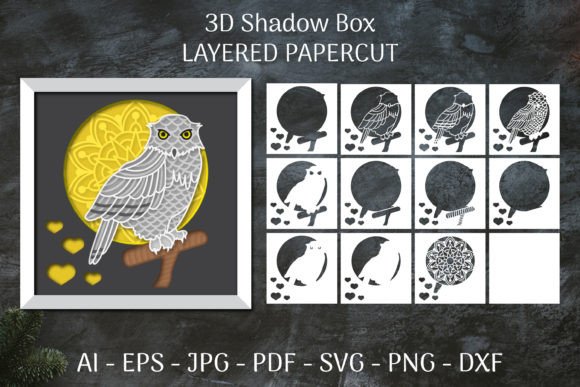
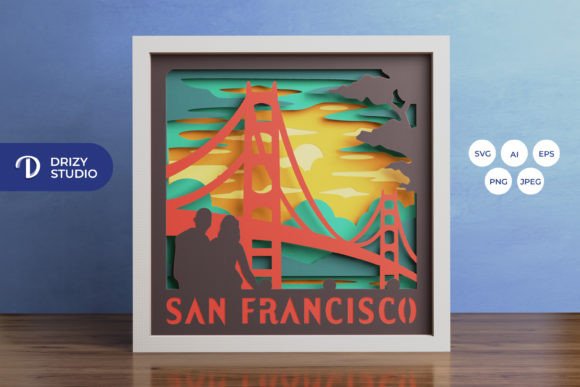
The design personality here is distinct. It feels handmade but polished, organic yet structured. For a small business branding project, this is gold. It avoids the sterile look of corporate minimalism while steering clear of the chaotic clutter often found in amateur designs. When I loaded the files, I noted that the Shadow Boxes potential is significant. These aren't just flat images; the multilayer structure allows for physical dimensionality when cut, or visual depth when rendered digitally. This makes them ideal for businesses that want to communicate quality and attention to detail through their packaging design.
Elevating Product Presentation Through Layered Depth
In the context of a real local business, presentation is everything. For "Hearth & Hand," we needed to upgrade their product label and box inserts. FAMILY Multilayer Templates, Home Decor offered a solution that standard clipart could not. By utilizing the layers, we created a custom hang tag that mimics a paper-cut effect. When printed on textured cardstock, the different layers cast subtle shadows, creating a tactile experience for the customer. This kind of interaction builds a stronger emotional connection and improves customer trust instantly.
Beyond physical packaging, these assets shine in social media graphics and marketing visuals. In an era where digital storefronts are just as important as physical ones, having unique design assets helps a brand stand out. I used the templates to create hero graphics for the client's Instagram stories, layering them over soft, neutral backgrounds to highlight seasonal promotions. The result was a cohesive feed that felt editorial and high-end. Whether you are running a bakery, a florist, or a children's product brand, the ability to manipulate these layers means you can adapt the design to fit various campaigns without losing brand consistency.
Strategic Applications for Boutique and Handmade Brands
The versatility of this asset extends far beyond simple decoration. Here is how I envision these templates working best for various handmade business scenarios:
- Packaging Accents: Use individual layers as die-cut windows on boxes to reveal the product inside, adding a element of surprise.
- Thank-You Cards: Incorporate the design into printable inserts that accompany orders, reinforcing the personal touch of the brand.
- Seasonal Campaign Visuals: Adapt the layers for holiday-specific promotions, changing colors to match festive themes while keeping the core structure.
- Product Mockups: Enhance digital mockups by adding the template as a background element to give depth to flat lay photography.
- Boutique Visuals: Apply the design to store signage or window displays to create an immersive in-store experience.
For food businesses or skincare brands, the "family" theme inherent in the title can be subtly leveraged to suggest community and care. However, it is crucial to use these elements where they support the message rather than overpower it. They work exceptionally well as decorative brand elements that frame key information, ensuring a clear visual hierarchy.
Critical Considerations for Professional Implementation
While FAMILY Multilayer Templates, Home Decor is a powerful tool, it requires a discerning eye. There are specific scenarios where caution is necessary. For instance, if you are designing for a luxury minimalist brand that relies on stark whitespace, these intricate layers might feel too busy. Similarly, on very small labels where space is at a premium, the fine details of the 3D SVG layers could get lost or muddy during the printing process. It is also vital to avoid placing these decorative elements near ingredient lists or legal information areas, as they can distract from mandatory text and reduce readability.
Furthermore, low-contrast backgrounds can negate the shadow effects that make these templates special. If you are working with a dark-on-dark color scheme, ensure there is enough separation between the layers to maintain the intended depth. In crowded product packaging layouts, less is often more; using the full multilayer stack might compete with the logo design or product name. In such cases, isolate a single layer or simplify the composition to maintain professional branding standards.
Designer Notes: Testing and Technical Execution
Before committing to a full rollout for a client, I always run a series of practical tests. First, test the asset on real product mockup files to see how the layers interact with lighting and texture. Check the black and white usage to ensure the design holds up without color reliance, which is crucial for cost-effective printing. Preview the design on small labels to verify that the finest lines do not disappear.
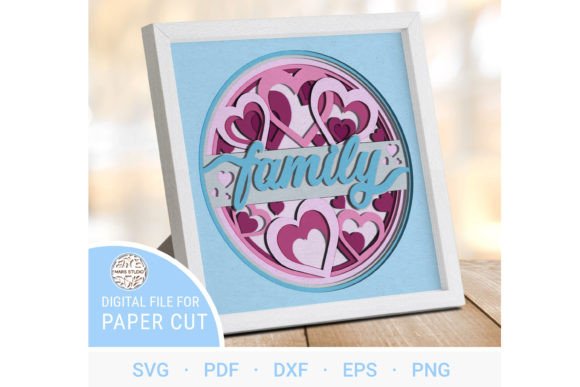
Color testing is equally important. Test the templates with your specific brand colors to ensure harmony. Compare the final look against competitor packaging to guarantee differentiation. When preparing files for print, review the PNG design exports for transparency issues and inspect the SVG design vectors for editability. Since these are FAMILY Digital multilayer svg files are specially prepared for the Cricut, Silhouette and other cutting machines, they should be robust, but always verify path integrity.
Typography pairing is another key factor. I recommend testing the asset beside serif fonts for a classic look, sans serif fonts for modernity, or script fonts for a personal touch. Ensure the font weight balances the visual weight of the template. Finally, and most critically, confirm the commercial license terms. Ensure you have the rights to use these digital products for client work, commercial design, and physical product sales. Platforms like the creative marketplace often have specific rules regarding Canva template integration or resale.
In conclusion, FAMILY Multilayer Templates, Home Decor is a robust resource for designers looking to add depth and character to local business projects. When used with intention and technical precision, it transforms standard packaging design and editorial design into memorable brand experiences. It bridges the gap between digital convenience and the tangible warmth of handmade aesthetics, making it a valuable addition to any designer's toolkit for creating authentic brand identity.