Review: 3D Shadow Box Chinese Layered Papercut Design
As a designer who spends most of my days staring at stitch maps and thread charts, I approach every new machine embroidery design with a mix of curiosity and skepticism. We have all been there: you download a file that looks stunning in the preview image, only to find out it's a nightmare of excessive stitch density or impossible details once it hits the hoop. Recently, I got my hands on the 3D Shadow Box Chinese Layered Papercut design to evaluate its potential for real-world application. This isn't just about whether it looks pretty on a screen; it is about whether it holds up as a viable asset for a craft business or a meaningful personalized gift.
First Impressions and Visual Personality
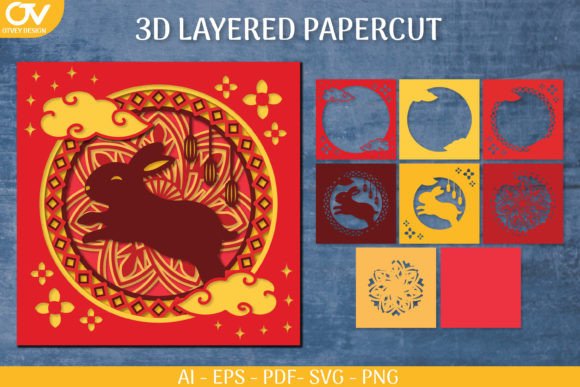
The moment I opened the files, the cultural richness of the design stood out. The 3D Shadow Box Chinese Layered Papercut carries a distinct mood—it feels celebratory yet elegant, drawing heavily from traditional aesthetics while maintaining a modern, clean layout suitable for contemporary embroidery projects. Unlike some overly busy designs that try to do too much, this one relies on strong silhouettes and layered depth to create visual interest. For an Etsy seller or boutique owner, this visual personality is gold. It speaks to customers looking for something unique, perhaps for Lunar New Year celebrations, weddings, or sophisticated home decor.
The layout suggests a high level of detail, which is fantastic for visual appeal but requires careful handling during production. The "papercut" style implies sharp lines and distinct separation between layers. In an embroidered patch or a framed piece, this clarity can look incredibly professional. However, translating that crisp paper-cut look into thread requires precision. The design naturally leans towards applications where the background can breathe, allowing the layers to pop without getting lost in fabric texture.
Real-World Application Scenarios
To truly test the viability of this design, I imagined a specific client scenario: a local boutique owner needing a limited run of premium tote bag designs for an upcoming cultural festival. They wanted something that felt handmade but polished enough to justify a higher price point. The 3D Shadow Box Chinese Layered Papercut fits this brief perfectly. When stitched onto a sturdy canvas tote, the layered effect creates a tactile experience that flat printing simply cannot match.
Beyond bags, I see immense potential for this design in sweatshirt embroidery. Imagine a high-quality heavyweight fleece hoodie with this motif centered on the back or subtly placed on the chest. The contrast between the soft fabric and the structured stitching adds significant value to the finished product. It could also serve as a stunning centerpiece for holiday embroidery projects, such as pillow covers or wall hangings that celebrate heritage and tradition. For those selling digital embroidery files, offering this as part of a curated collection for custom apparel or home goods could drive serious engagement.
However, we must be realistic about where this design shines versus where it might struggle. While it is categorized under Shadow Boxes and often associated with physical layering, in embroidery, we are simulating that depth with thread. This makes it excellent for flat items like aprons, tea towels, or quilt blocks. If you are considering this for a baby embroidery project, such as a nursery blanket, ensure the thread choice is soft and the density isn't too abrasive against sensitive skin.
Technical Considerations and Fabric Compatibility
Here is where the experienced eye needs to be sharp. The intricate nature of a papercut style means there are likely fine details and potentially tight corners. If you attempt to stitch the 3D Shadow Box Chinese Layered Papercut on a textured fabric like a waffle weave or a highly pile-driven towel, you risk losing those delicate definitions. The thread might sink, or the edges might blur. For the best results, stick to smooth, tightly woven fabrics like cotton twill, linen, or high-quality polyester blends.
Stretchy fabrics present another challenge. If you are planning to use this on a fitted t-shirt or a cap, you must be vigilant about stabilization. Curved surfaces like caps can distort complex designs if the hoop size and stabilizer aren't matched correctly to the garment's curvature. A design with this much layering needs a rock-solid foundation. I strongly advise using a cut-away stabilizer for garments that will undergo frequent washing, ensuring the embroidery file maintains its shape over time.
Color selection is also critical. This design likely relies on contrast to define its layers. Before committing to a full production run, test the design in black and white mockups. Does it still read clearly? If the thread colors are too similar in value, the beautiful layering effect will vanish, leaving you with a muddy mess. High contrast between the layers and the background fabric is essential for maintaining that "cut paper" illusion.
Business Value and Professional Presentation
From a commercial standpoint, the 3D Shadow Box Chinese Layered Papercut offers a strong return on investment if executed well. Customers are increasingly drawn to products that tell a story or showcase craftsmanship. A well-stitched version of this design elevates a simple item into a handmade product worth bragging about. It enhances brand consistency for shops that focus on cultural or artistic themes.
When creating printable mockups for your online store, this design provides excellent visual hooks. The perceived depth makes for compelling photography, which can increase click-through rates and buyer engagement. However, remember that the perceived value depends entirely on the quality of the stitch-out. Sloppy trimming, visible jump stitches, or puckering will instantly cheapen the look. Attention to detail during the stitching process is non-negotiable.
Practical Notes for Designers and Makers
Before you launch this into your next small shop product line, take these practical steps:
- Test on Scrap First: Never skip the test stitch. Use the exact fabric and stabilizer combination you plan to use for the final item.
- Check Licensing: The product description mentions an SVG cut file for Cricut machines, indicating versatility, but always confirm the license terms for the embroidery file specifically. Ensure you are cleared for commercial embroidery if you intend to sell finished goods.
- Inspect Small Details: Zoom in on the digitized file. Look for tiny lettering or extremely fine lines that might not stitch out well at smaller sizes.
- Verify Hoop Requirements: Since specific hoop dimensions weren't explicitly detailed in the brief description, check the file properties to ensure it fits your machine's capabilities without excessive re-hooping.
- Consider Washability: If the end product is a kitchen towel or baby item, consider how the dense areas will hold up after multiple wash cycles.
In conclusion, the 3D Shadow Box Chinese Layered Papercut is a versatile and visually striking asset. It bridges the gap between traditional art and modern design assets, offering a unique aesthetic for those willing to put in the technical preparation. Whether you are creating a one-off personalized gift or scaling up for a holiday collection, this design has the potential to deliver impressive results, provided you respect the nuances of fabric, tension, and thread management. Treat it with the care it deserves, and it will undoubtedly become a standout piece in your portfolio.