Greeting Card Box 3D SVG Freebies
As a brand designer, I always look for graphic design assets that can elevate a small business’s visual identity. The Greeting Card Box is one such asset that offers both practicality and aesthetic appeal. Designed as a 3D SVG, it’s ideal for local business branding, product packaging, and promotional materials. Whether you’re working on a handmade business or a boutique store, this digital product can serve as a versatile addition to your creative toolkit.
First Impressions: Aesthetic and Brand Personality
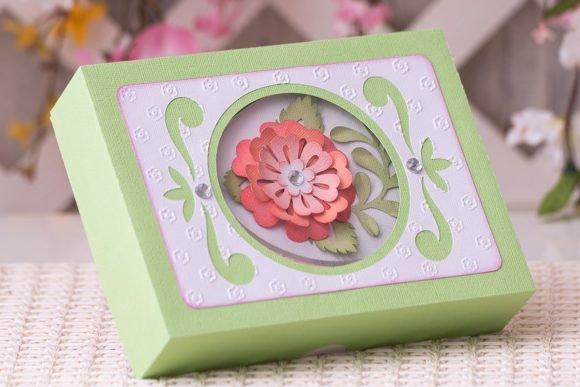
The Greeting Card Box immediately conveys a sense of elegance and craftsmanship. Its 3D structure suggests a premium feel, making it suitable for businesses that want to project sophistication. The design is clean yet decorative, offering a balance between modern design and traditional charm. This makes it ideal for a bakery, a skincare brand, or a florist looking to enhance their product presentation with a touch of class.
The box’s style feels handmade and organic, which aligns well with the values of many small businesses. It’s not overly flashy, but it has enough detail to stand out in a crowded market. For a handmade soap business or a children’s product brand, this could be an excellent way to reinforce a friendly, approachable brand personality.
Real-World Applications for Local Business Design
One of the most compelling aspects of the Greeting Card Box is its versatility. It can be used in logo design, brand identity, and product labels, offering a consistent visual language across different touchpoints. For a coffee shop or a food business, this asset can be incorporated into menu graphics, price lists, or even seasonal campaign visuals.
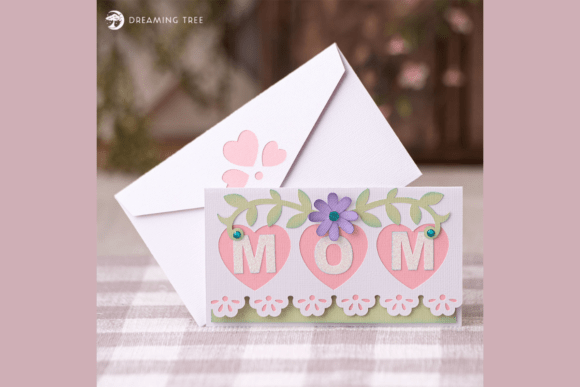
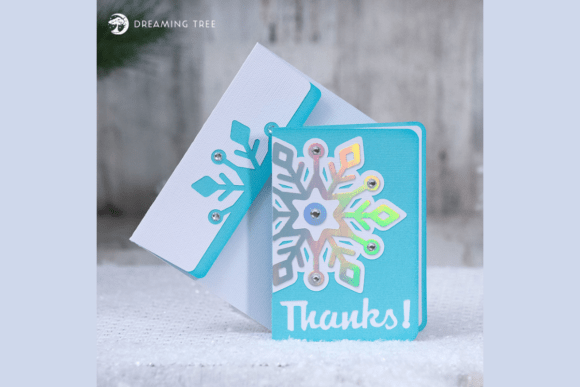
It also works well as a product mockup, allowing designers to showcase how a greeting card might look when packaged. This is particularly useful for a home decor shop or a boutique store that sells stationery items. The design can be adapted for thank-you cards, stickers, or even social media graphics, ensuring a cohesive brand experience.
For a skincare brand or a candle company, the Greeting Card Box can serve as a decorative element on packaging accents or promotional banners. Its 3D nature adds depth and dimension, making it more engaging than flat illustrations or clipart.
Supporting Business Presentation and Brand Identity
Incorporating the Greeting Card Box into a small business’s design strategy can significantly improve the first impression. A well-designed product label or packaging can make a big difference in how customers perceive a brand. This asset helps create stronger product recognition and a clearer visual hierarchy, which are essential for effective marketing visuals.
When used in a professional branding context, the Greeting Card Box contributes to a more polished look. It enhances customer trust by reinforcing the idea that the business pays attention to detail. For a handmade business or a local artisan, this can be a powerful tool in building a loyal customer base.
Additionally, the design supports better shelf appeal. In a retail setting, a well-branded package stands out among competitors. The Greeting Card Box can help a small business differentiate itself, especially in markets where visual appeal plays a key role in consumer decision-making.
Where Greeting Card Box Works Best
The Greeting Card Box excels in situations where visual storytelling is important. It’s perfect for product labels, packaging accents, and hero graphics that need to capture attention. As a decorative brand element, it can be used in seasonal packaging or boutique visuals to add a unique touch.
For social media campaigns, this asset can be transformed into eye-catching graphics that align with a brand’s overall aesthetic. It also works well as part of a product mockup, allowing businesses to present their offerings in a more engaging way. When used in thank-you cards or promotional banners, it reinforces the brand’s message and values.
Where to Use Greeting Card Box Carefully
While the Greeting Card Box is a strong design asset, it may not be suitable for every situation. In formal corporate branding, where minimalism is key, the design might feel too ornate. Similarly, it’s not ideal for very small labels or crowded product packaging, where simplicity is preferred.
Businesses that rely heavily on ingredient-heavy layouts or legal information should avoid using this asset in areas where text needs to be clear and unobstructed. Low-contrast backgrounds or luxury minimalist brands may also find that the design competes with the intended message.
Practical Designer Notes for Small Business Branding
Before finalizing the use of the Greeting Card Box, it’s wise to test it on real packaging mockups. Check how it looks in black and white, and ensure it’s legible on small labels. Preview it with your brand colors to confirm it aligns with your visual identity.
Compare it with competitor packaging to see how it stands out. Test print quality to ensure it translates well to physical products. Review PNG transparency and inspect SVG or vector editability if you plan to modify the design. Also, check how it looks beside different font styles—serif, sans serif, script, handwritten, or display fonts.
Finally, confirm that the asset comes with a commercial license, especially if you’re using it for client work, business branding, or physical product sales. Many creative marketplaces offer such assets, but it’s always good to verify the terms before integrating them into your workflow.
Conclusion: A Valuable Addition to Your Design Toolkit
The Greeting Card Box is more than just a freebie—it’s a functional graphic design asset that can support a wide range of local business projects. Whether you’re working on product packaging, social media graphics, or editorial design, this 3D SVG offers flexibility and visual appeal. With careful consideration of its application, it can become a key component of your small business branding strategy.