Acorn Invitation Card: 3D SVG for Thanksgiving Branding
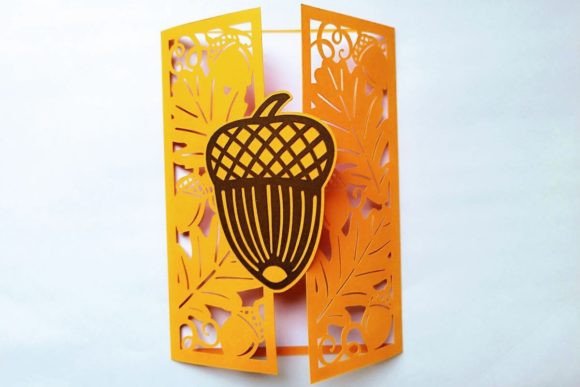
As a brand designer who has spent years refining visual identities for local bakeries, boutique skincare lines, and artisanal food producers, I approach every new graphic design asset with a critical eye. It is not enough for an illustration to be pretty; it must serve a strategic purpose within a broader brand identity. When I first opened the files for the Acorn Invitation Card by Exodus 31 Designs, my immediate impression was one of rustic elegance and organic warmth. The design exudes a mood that is simultaneously festive and grounded, making it an ideal candidate for businesses looking to capitalize on the autumn season without sacrificing sophistication.
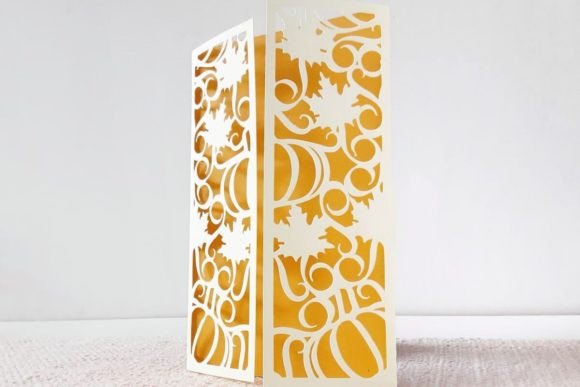
This asset suggests a brand personality that is handmade, welcoming, and deeply connected to nature. For a local business such as a farm-to-table cafe, a candle maker using soy wax, or a florist specializing in dried arrangements, this aesthetic speaks directly to their core values. It feels premium yet accessible, avoiding the sterile look of corporate minimalism in favor of something more textured and inviting. While the original concept describes a gate-fold card intended to elevate your event, my evaluation focuses on how this intricate centerpiece can be adapted for small business branding beyond just invitations.
Strategic Applications for Packaging and Print
The versatility of this design lies in its ability to transcend its original format. In a real-world scenario, imagine a local honey producer preparing for the holiday rush. The Acorn Invitation Card motif can be extracted and repurposed as a primary element on a product label. Because the design is offered as a 3D SVG, it offers unparalleled scalability. Whether printed on a small jar lid or a large shipping box, the vector paths remain crisp, ensuring better shelf appeal and professional presentation.
For handmade business owners, consistency is key to building trust. This asset can be integrated into various touchpoints:
- Hang Tags: Use the acorn motif as a foil-stamped accent on clothing or jewelry tags to reinforce a natural brand story.
- Thank-You Cards: Adapt the gate-fold structure concept into a flat card included in every online order, enhancing the unboxing experience.
- Menu Graphics: A coffee shop could use the illustration to frame seasonal specials, creating a cohesive visual hierarchy that draws the eye to high-margin items.
- Social Media Graphics: The detailed layers of the SVG design allow for dynamic animations or static posts that maintain brand recognition across Instagram and Pinterest.
Furthermore, the asset supports stronger emotional connection with customers. In an era where consumers crave authenticity, using a design that feels crafted and specific to the season helps a brand stand out against generic stock imagery. It signals that the business cares about the details, which translates to improved customer trust and perceived value.
Ideal Use Cases for Seasonal Campaigns
Where does this asset truly shine? It is perfectly suited for packaging accents and hero graphics in Thanksgiving campaigns. For a boutique selling home decor, the acorn imagery can be used on limited-edition pillow packaging or as a decorative seal on gift wrap. It works exceptionally well for product mockups intended for website banners, where the rich detail of the illustration can be showcased against neutral backgrounds to create depth.
I also see great potential in editorial design for lookbooks or seasonal catalogs. The intricate nature of the gate-fold inspiration suggests a sense of unfolding or discovery, which is a powerful narrative tool for marketing visuals. When used on printable design inserts, it adds a layer of tactile luxury that digital-only brands often miss. For creative entrepreneurs selling digital products, this clipart or illustration can be bundled into Canva template kits, offering immense value to other designers looking for high-quality design assets.
Critical Considerations for Professional Implementation
However, a responsible designer knows that not every asset fits every context. There are scenarios where the Acorn Invitation Card should be used with caution. For instance, in formal corporate branding for law firms or tech startups, the rustic, organic vibe might clash with a desired image of sleek modernity. Similarly, on very small labels where space is at a premium, the intricacy of the design could become muddy if not simplified. It is crucial to ensure the decoration does not compete with important text, such as ingredient lists or legal information areas.
Additionally, brands aiming for a strict luxury minimalist aesthetic might find the detailed nature of this illustration too busy. In these cases, the asset should be used sparingly, perhaps only as a subtle watermark or embossed texture rather than a full-color focal point. Low-contrast backgrounds can also diminish the impact of the 3D effects, so careful color selection is necessary to maintain professional branding standards.
Practical Notes for Designers and Brand Owners
Before integrating this into a client project or your own commercial design workflow, I recommend a rigorous testing phase. First, test the asset on real product mockups to see how the lighting and shadows interact with your specific packaging materials. Check its usage in black and white to ensure it retains its form without color reliance, which is vital for cost-effective printing.
Preview the design on small-scale applications to verify legibility. Experiment with pairing the illustration alongside different typography styles; it often complements serif fonts for a classic look, but can also create an interesting contrast with clean sans serif or playful handwritten fonts. Always inspect the SVG design file for editability—can you isolate layers? Can you adjust colors to match your specific brand palette?
Finally, and most importantly, review the licensing terms. Ensure you have a valid commercial license before using the asset for logo design, physical product sales, or widespread marketing visuals. Confirming these details protects your business and ensures that your investment in high-quality design assets yields a return in the form of a polished, trustworthy, and visually stunning brand presence.
In conclusion, the Acorn Invitation Card is more than just a seasonal invite; it is a versatile tool for web design, packaging design, and comprehensive brand identity development. When used thoughtfully, it empowers local businesses to tell a richer story and connect more deeply with their community.